
Why preventive care pays off
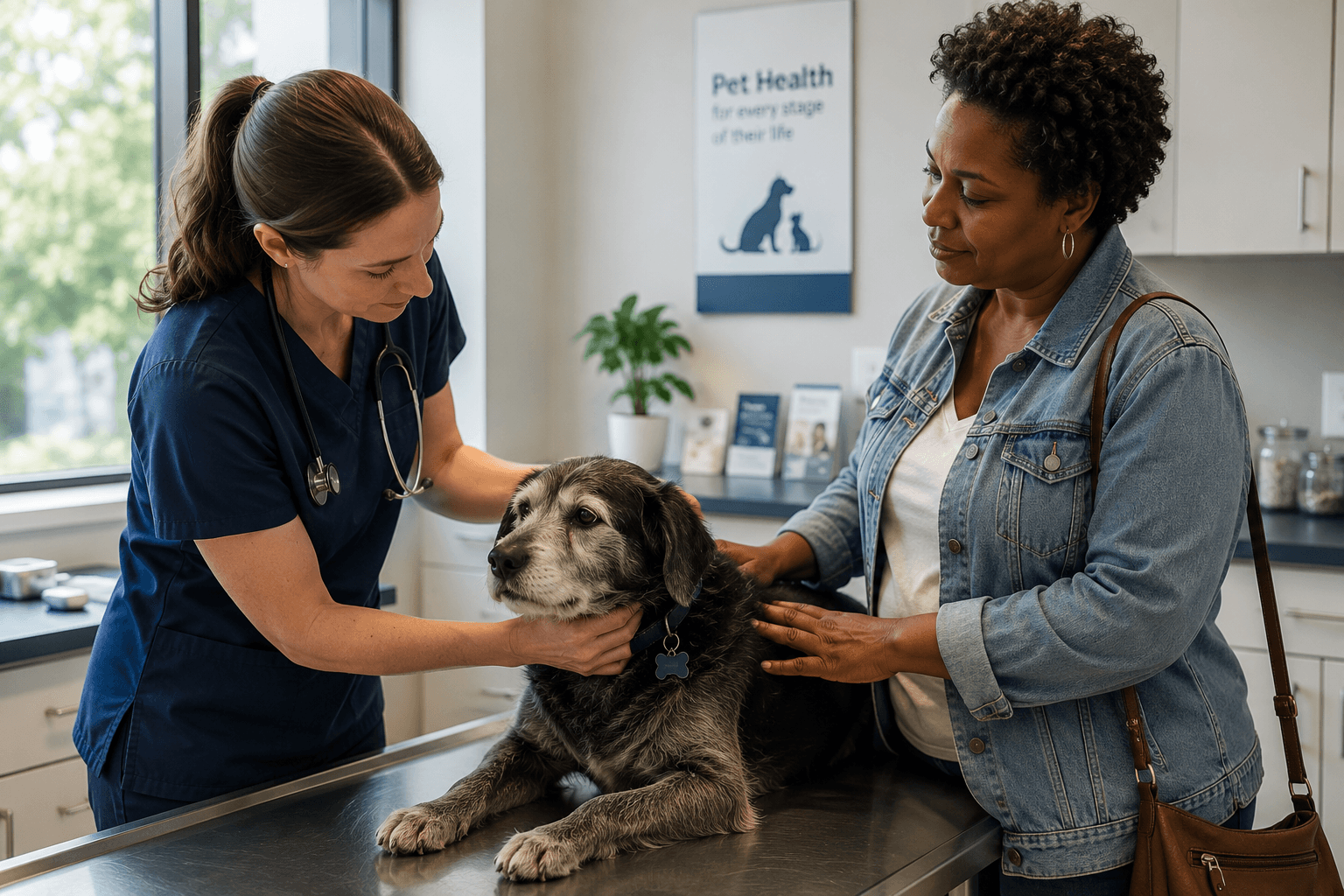
Skipping a checkup feels harmless when your pet seems fine. No limp, no change in appetite, nothing that looks like a problem worth a vet visit and a copay. But most of what preventive care catches doesn't announce itself yet — that's the point. A routine exam, a vaccine on schedule, a clean set of records isn't about treating something wrong. It's about catching what's about to go wrong before it turns into an emergency.
Checkups Catch What You Can't See at Home
You know your pet's normal — how they walk, eat, and act day to day. What you can't see is a heart murmur, early joint changes, or blood work that's starting to drift outside a healthy range. Vets are trained to notice these signals well before they turn into visible symptoms.
An annual exam isn't a formality. It's the difference between catching a thyroid issue on a routine blood panel and catching it six months later, after it's already affecting your pet's weight and energy. The cost of the visit is small compared to the cost of treating something that had months to develop unnoticed.
Vaccines Are Cheaper Than the Diseases They Prevent
Vaccines get treated as optional once a pet's puppy or kitten shots are done, but boosters exist because immunity fades over time. Skipping one doesn't save money — it just shifts the cost forward, from a scheduled shot to an emergency treatment if your pet is exposed to something preventable.
Staying current also keeps your pet eligible for boarding, grooming, and daycare, most of which require proof of vaccination. Keep a simple record — vaccine name and date — somewhere you can access quickly. Missing a booster because you couldn't remember when the last one happened is an easy problem to avoid.
Records Turn Guesswork Into Fast Answers
A new vet asks when your pet was last vaccinated, what medications they're on, and whether they've had reactions to anything. Without records, you're reconstructing this from memory, often at the exact moment you need to be precise.
Keep a running file — vaccination dates, medications and doses, past diagnoses, any surgeries or reactions. It doesn't need to be elaborate. A shared note or simple document works fine. What matters is that it's current and that anyone helping with your pet's care, a partner, a sitter, a new vet, can read it and know exactly what they're dealing with.
Preventive Care Makes Cost Predictable
Part of what makes emergency vet visits so stressful is the surprise — the diagnosis you didn't see coming and the bill that comes with it. Preventive care doesn't eliminate risk, but it shifts more of your pet's health spending into the predictable, routine kind: checkups, vaccines, medications you can plan around.
When a checkup does lead to a new prescription, a PetRx Prescription Savings Card keeps that part predictable too. There's no activation and no fees — just up to 80% off at more than 80,000 pharmacy locations nationwide, and the card never expires. Before you fill anything, Rx Price Lookup lets you compare pharmacy prices in seconds, so you know the cost before you're standing at the counter.
Build Preventive Care Into a Routine, Not a Reaction
The pattern that works best isn't remembering to act when something seems off — it's building preventive care into a schedule so it happens automatically. Set the annual exam on the calendar the same way you'd set a car's oil change. Set booster reminders when the last vaccine is given, not when it starts to feel overdue.
Share that schedule with anyone else involved in your pet's care, so a checkup or booster doesn't get missed because only one person knew it was coming. And since preventive care sometimes uncovers something that needs ongoing treatment, it's worth having looked into a Pet Insurance Quote ahead of time — so if a checkup turns into a bigger conversation, coverage isn't something you're researching for the first time under pressure.
Conclusion
Preventive care works precisely because it's boring — a checkup that finds nothing wrong, a booster given on schedule, a record nobody has to dig for. None of that feels urgent in the moment, which is exactly why it's easy to skip. But the pets whose problems get caught early are usually the ones whose owners kept the routine going anyway. Your pet is family, and the checkups you almost skip are often the ones that matter most.